
AI Europe
TikTok rolls out deepfake detection for public figures
TikTok is rolling out Likeness Detection worldwide. What the tool does, where it stops and how it fits the AI Act and DSA.
Key takeaways
- Opt-in for eligible creators and public figures, with ID checks by a third-party partner
- Matches do not lead to automatic removal, TikTok decides under its own rules
- AI Act Article 50(2) marking duty for legacy systems applies from 02.12.2026
On this page
On 20.11.2026, TikTok started a global rollout of Likeness Detection. The tool lets creators and public figures, including politicians and party accounts, find AI videos that use their face without consent.
TikTok also launched a public checking tool that lets anyone test whether an image or video was made or edited with TikTok's own AI features. Both were announced in the company's newsroom. According to Reuters and AFP, TikTok sees the tool as a key part of fighting disinformation ahead of European elections in 2027, including in Italy, France and Greece. "Protecting the integrity of the elections is one of the most critical responsibilities that we have at TikTok," said Francesca Scapolo, the company's government relations lead for European elections, at a TikTok event in London.
Who can use Likeness Detection?
The tool is opt-in. TikTok says it is available to "eligible creators and public figures", explicitly including Government, Politician, or Political Party Accounts. The announcement does not spell out the eligibility criteria. Reuters and AFP describe the audience as politicians and accounts with a large number of followers. The rollout is gradual and there is no country timetable.
To sign up, users verify their ID with a "trusted third-party partner". TikTok says the tool is designed to minimise data collection and that it does not keep ID documents.
What happens to flagged videos?
TikTok describes three steps:
- Eligible users sign up and verify their identity.
- They are notified when content or accounts on TikTok may be using their likeness, and review the matches in the tool.
- They report content directly to TikTok's safety teams. Content that breaks the community guidelines against harmful, misleading or nonconsensual depictions is removed.
A match therefore does not lead to automatic removal. TikTok decides under its own rules. Separately, anyone, with or without a TikTok account, can report nonconsensual AI content through TikTok's privacy reporting form.
Weekly, Thursday morning, Central European Time.
The Thinking briefing
One email a week: what changed in European business software, which prices moved, and which comparison we published. No sales mail.
What are the limits?
TikTok has published no figures on detection rates or false alarms. The tool only searches TikTok, not other platforms. A managing director of a mid-sized company without a large following, for example, is unlikely to qualify and has to rely on the normal reporting channels.
The new checking tool has a clear limit too: it only recognises content created with TikTok's AI features. It reads C2PA Content Credentials and VeraDura, TikTok's own invisible watermark, which the company says is harder to remove. A deepfake made with another generator that carries neither signal will not be detected.
TikTok says it has labelled more than 5 billion AI videos so far and removes more than 99% of violating content before anyone reports it. These are the company's own figures.
What does the AI Act require?
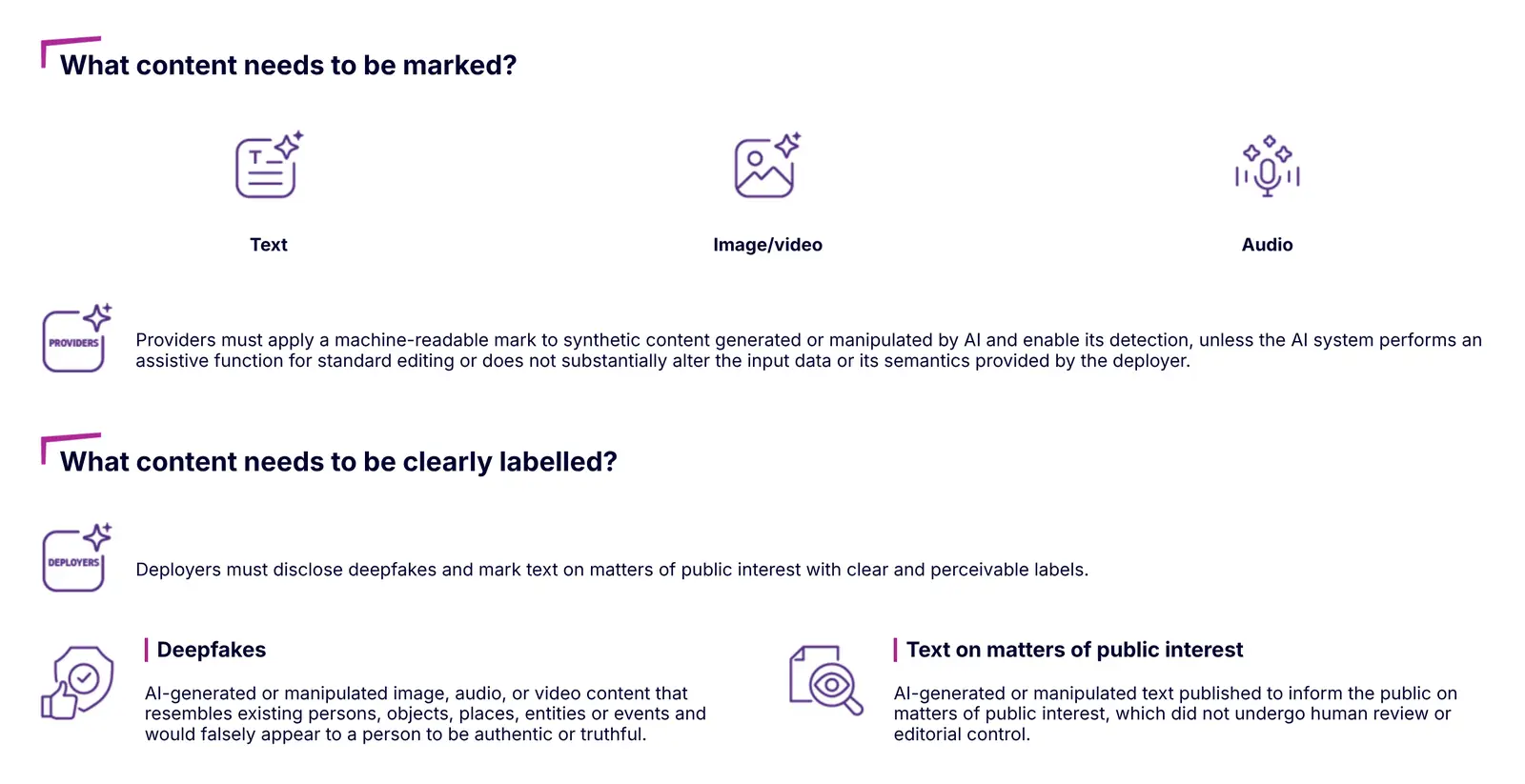
The transparency obligations in Article 50 of the AI Act have applied since 02.08.2026. Providers of systems that generate synthetic images, video, audio or text must mark the output in a machine-readable format (paragraph 2). Anyone who uses an AI system to create a deepfake must disclose that the content has been artificially generated or manipulated (paragraph 4).
The Digital Omnibus, Regulation (EU) 2026/1744 of 08.07.2026, published in the Official Journal on 24.07.2026, added a transition period: generative systems placed on the market before 02.08.2026 must meet the marking obligation by 02.12.2026. From the same date, Article 5 bans AI systems that generate intimate images of an identifiable person without consent. On 10.06.2026 the Commission published a voluntary Code of Practice on marking and labelling AI-generated content.
What role does the DSA play?
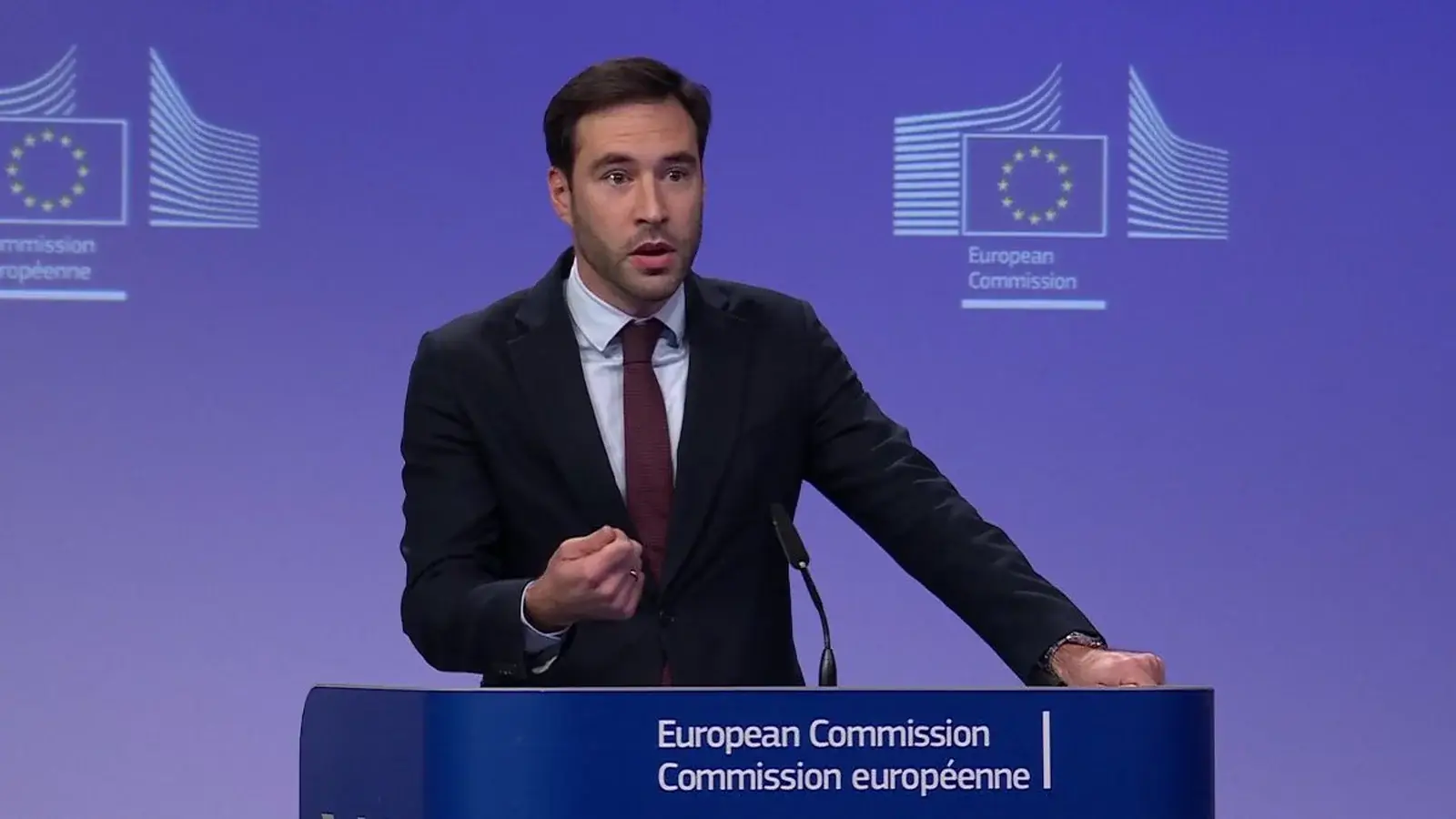
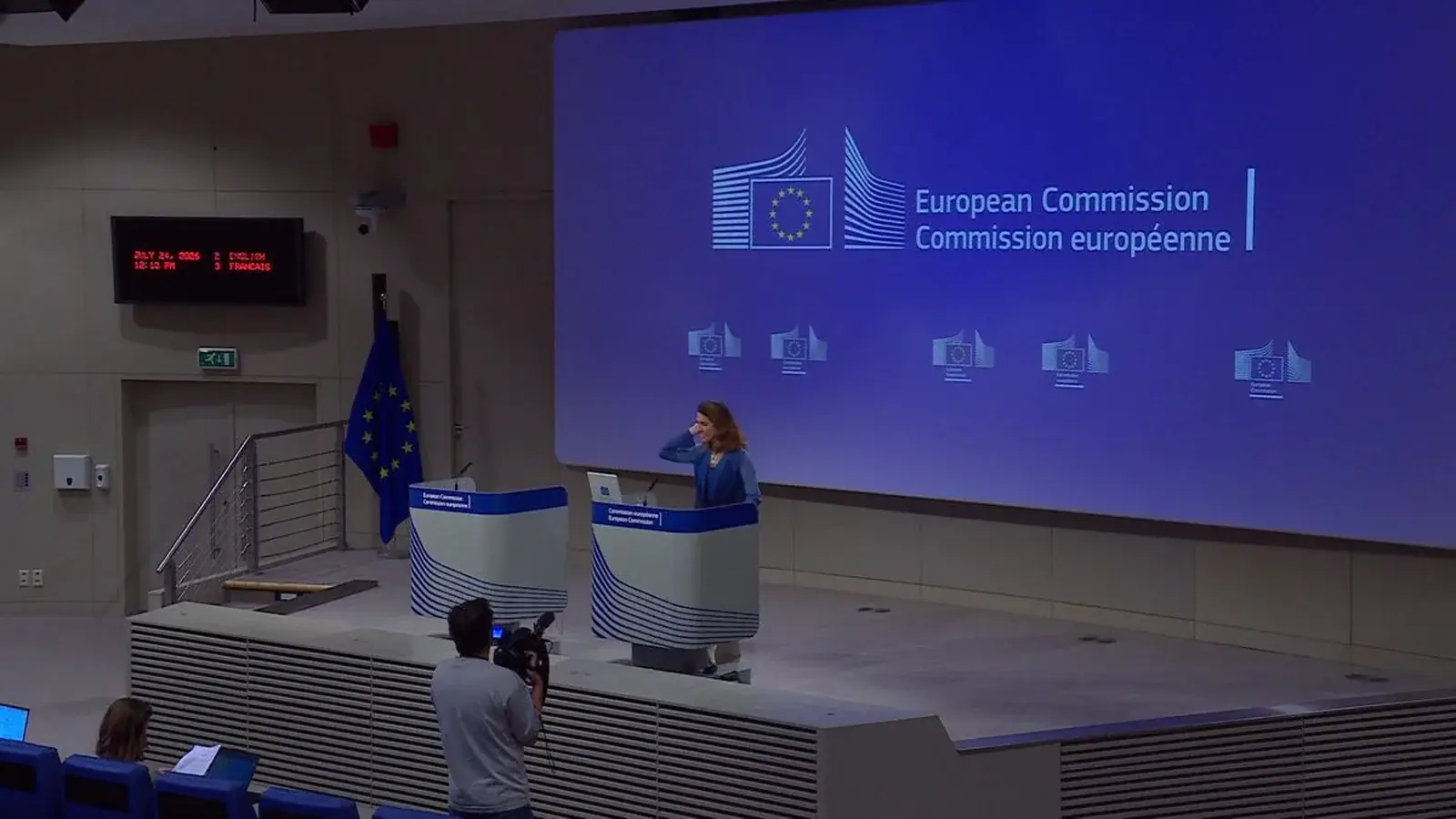
Under the Digital Services Act, TikTok is a very large online platform. Such services must assess and mitigate systemic risks, including risks to electoral processes (Articles 34 and 35). The Commission's guidelines of 26.03.2024 recommend, among other things, making AI-generated content and deepfakes recognisable. The Commission supervises TikTok directly. This year it has issued several preliminary findings against the platform, most recently on 06.11.2026 over the "rabbit hole" effect of its For You feed.
What does this mean for companies in Luxembourg?
For brands and agencies in Luxembourg, the labelling duty matters more than TikTok's tool. A campaign that uses AI videos of realistic people has to say so. Which authority will enforce this in Luxembourg depends on bill 8476, which names the CNPD as the general market surveillance authority. On 19.11.2026 the bill was still in committee at the Chamber of Deputies. The duties that already apply to companies using AI are summed up in our AI Act checklist for SMEs.
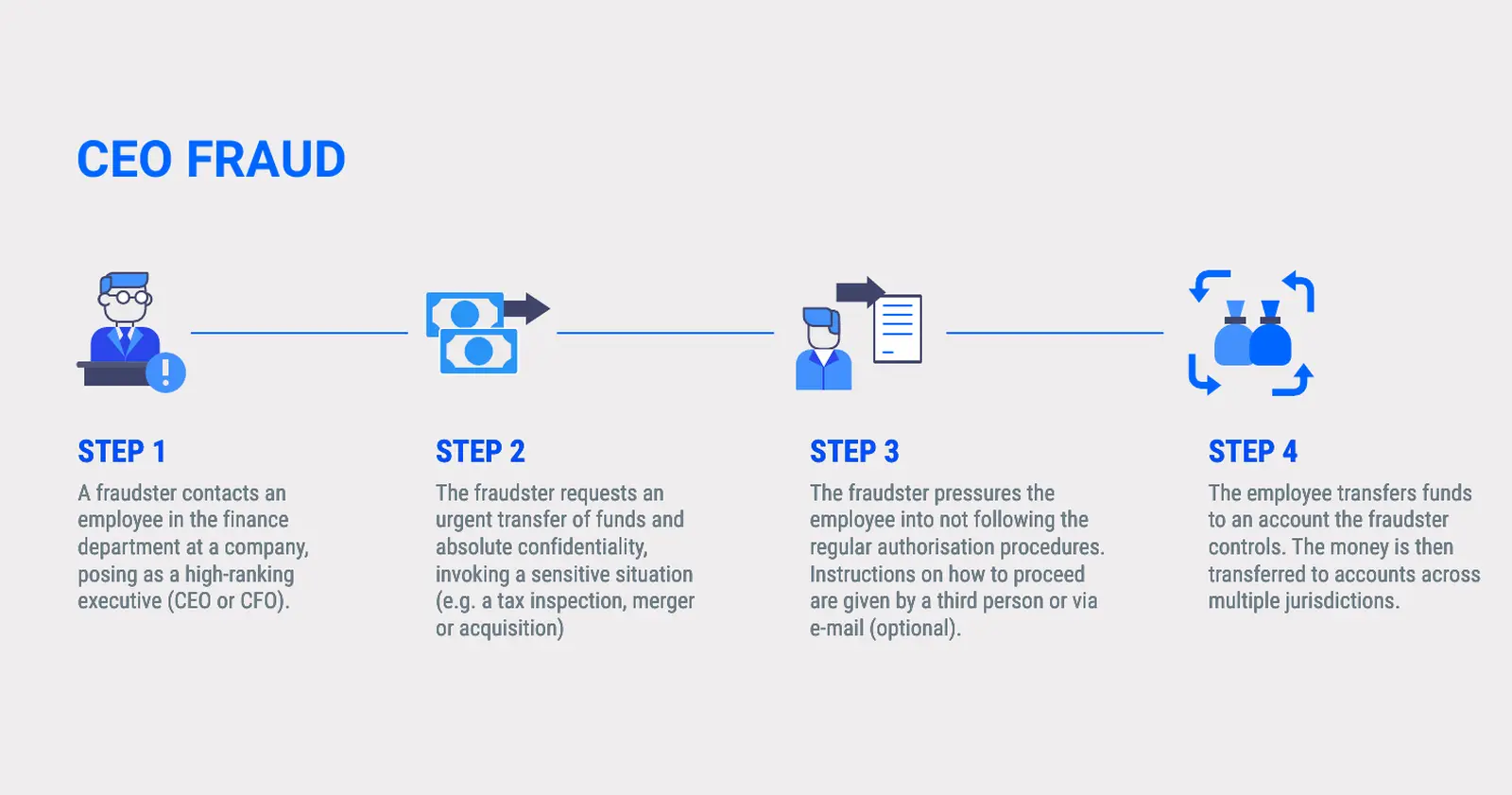
For the DSA, the Autorité de la concurrence is Luxembourg's Digital Services Coordinator. It does not supervise very large platforms such as TikTok, but it accepts reports of illegal content. For protection against deepfake calls and CEO fraud, see our guide to AI fraud in SMEs.
What is still open?
The exact eligibility criteria, the name of the verification partner, availability in Luxembourg and the reliability of the detection all remain open. We will update this article once TikTok expands its Help Centre.
Sources
- [1] TikTok Newsroom: More tools to provide clarity and control around AI-generated content (20.11.2026) accessed 2026-11-20
- [2] RTÉ: TikTok launches tool to detect use of deepfakes globally (20.11.2026) accessed 2026-11-20
- [3] CNA: TikTok launches tool to help public figures detect deepfakes globally (20.11.2026) accessed 2026-11-20
- [4] Le Figaro avec AFP: TikTok lance un outil de détection des vidéos IA destiné aux personnalités publiques (20.11.2026) accessed 2026-11-20
- [5] AI Act Service Desk: Article 50, Transparency obligations (consolidated text after Digital Omnibus) accessed 2026-11-20
- [6] AI Act Service Desk: Article 111 (new paragraph 4) accessed 2026-11-20
- [7] AI Act Service Desk: Article 113, application dates accessed 2026-11-20
- [8] AI Act Service Desk: Article 5, prohibited practices accessed 2026-11-20
- [9] EUR-Lex: Regulation (EU) 2026/1744 (Digital Omnibus on AI), procedure and publication accessed 2026-11-20
- [10] European Commission: Code of Practice on marking and labelling AI-generated content (10.06.2026) accessed 2026-11-20
- [11] European Commission: DSA guidelines on mitigating systemic risks for elections (26.03.2024) accessed 2026-11-20
- [12] EUR-Lex: Commission guidelines C/2024/3014 accessed 2026-11-20
- [13] European Commission: Preliminary finding on TikTok's For You feed (06.11.2026) accessed 2026-11-20
- [14] EC Audiovisual Service: Midday briefings 06.02.2026, 24.07.2026 and 06.11.2026 (TikTok DSA) accessed 2026-11-20
- [15] Autorité de la concurrence: Utilisateurs de plateformes en ligne (DSA) accessed 2026-11-20
- [16] Autorité de la concurrence: La loi sur le DSA est en vigueur (11.04.2025) accessed 2026-11-20
- [17] Chambre des Députés: Projet de loi 8476 accessed 2026-11-20