
News
Commission tables Digital Fairness Act for online trade
On 11.11.2026 the European Commission proposed a Digital Fairness Act that would turn unfair-practices rules into a directly applicable regulation, with simpler cancellation rules and stronger EU enforcement.
Key takeaways
- On 11.11.2026 the European Commission presented a proposal for a Digital Fairness Act, COM(2026) 1100 final, that would repeal Directive 2005/29/EC and replace it with a directly applicable regulation.
- The official briefing says the proposal would ban dark patterns, make digital subscriptions easier to cancel, and restrict unfair personalised ads and prices that target minors.
- A second proposal, COM(2026) 1110 final, would simplify parts of the Consumer Rights Directive for online use, including cancellation of digital media subscriptions within the withdrawal period.
- A third proposal, COM(2026) 1120 final, would give the Commission direct powers in large-scale cases, with fines not exceeding 6% of worldwide annual turnover, and would require non-EU traders targeting Union consumers to appoint a legal representative in the EU.
- The texts now go to the European Parliament and the Council and are not yet law.
On this page
The European Commission presented a proposal for a Digital Fairness Act on 11.11.2026. The draft regulation would replace the Unfair Commercial Practices Directive with rules that apply directly, as part of a wider consumer package.
What does the Digital Fairness Act proposal contain?
The official text, COM(2026) 1100 final, dated Brussels, 11.11.2026, is a proposal for a regulation of the European Parliament and of the Council that would repeal Directive 2005/29/EC. It carries the procedure number 2026/0356 (COD) and is marked as a text with EEA relevance. It is a proposal, not an adopted law.
A Commission news article of the same day says the Act would ban manipulative marketing tactics, known as dark patterns, such as fake claims that a product is almost sold out. Companies using virtual queues would have to show the current price in real time and the highest possible price. Consumers would get an option to turn off addictive design features that encourage excessive or compulsive spending, such as persistent prompts. Influencers would have to be transparent about commercial content. Unfair personalised ads and prices that target minors would be restricted. Digital contracts and subscriptions would be easier to cancel, with an end to unwanted automatic renewals and to free trials that turn into subscription traps.
The official Commission briefing also says the proposal would ban gambling-like features for minors such as pay-to-win and pay-to-progress, and would limit personalised ads and prices that take advantage of sensitive data. Consumers would have the right to communicate with a human in customer service, and clear rights when using an AI agent to buy products on their behalf. The Commission estimates that the package could save EU consumers up to 13,7 billion euro a year. That figure is an official estimate, not a measured result.
In the same week this newsroom also reported the implementing rules for AI regulatory sandboxes and ENISA's cyber-resilience score as the Cyber Resilience Act clock runs down.
How would cancellation and online consumer rules change?
Beside the Digital Fairness Act, the Commission tabled a simplification directive, COM(2026) 1110 final, dated 11.11.2026, procedure 2026/0357 (COD). The official briefing says it would simplify the application of the Consumer Rights Directive online, with simpler pre-contractual information for repeat in-app purchases and clearer rules on how consumers can cancel digital media subscriptions within the withdrawal period. The two texts are presented as one package and still have to be agreed.
Weekly, Thursday morning, Central European Time.
The Thinking briefing
One email a week: what changed in European business software, which prices moved, and which comparison we published. No sales mail.
What enforcement powers would the Commission gain?
The third instrument is a proposal to revise the Consumer Protection Cooperation rules, COM(2026) 1120 final, procedure 2026/0358 (COD). It would repeal Regulation (EU) 2017/2394. The official briefing says the Commission would gain direct powers to investigate large-scale cases with a major impact on consumers across the Single Market, with fines not exceeding 6% of a company's worldwide annual turnover. That cap is also written into the proposal itself, for cases in which the trader acted intentionally or negligently. National authorities would get clearer timelines in cross-border cases. Traders from outside the EU or the EEA that target consumers in the Union would have to appoint a legal representative in the EU.
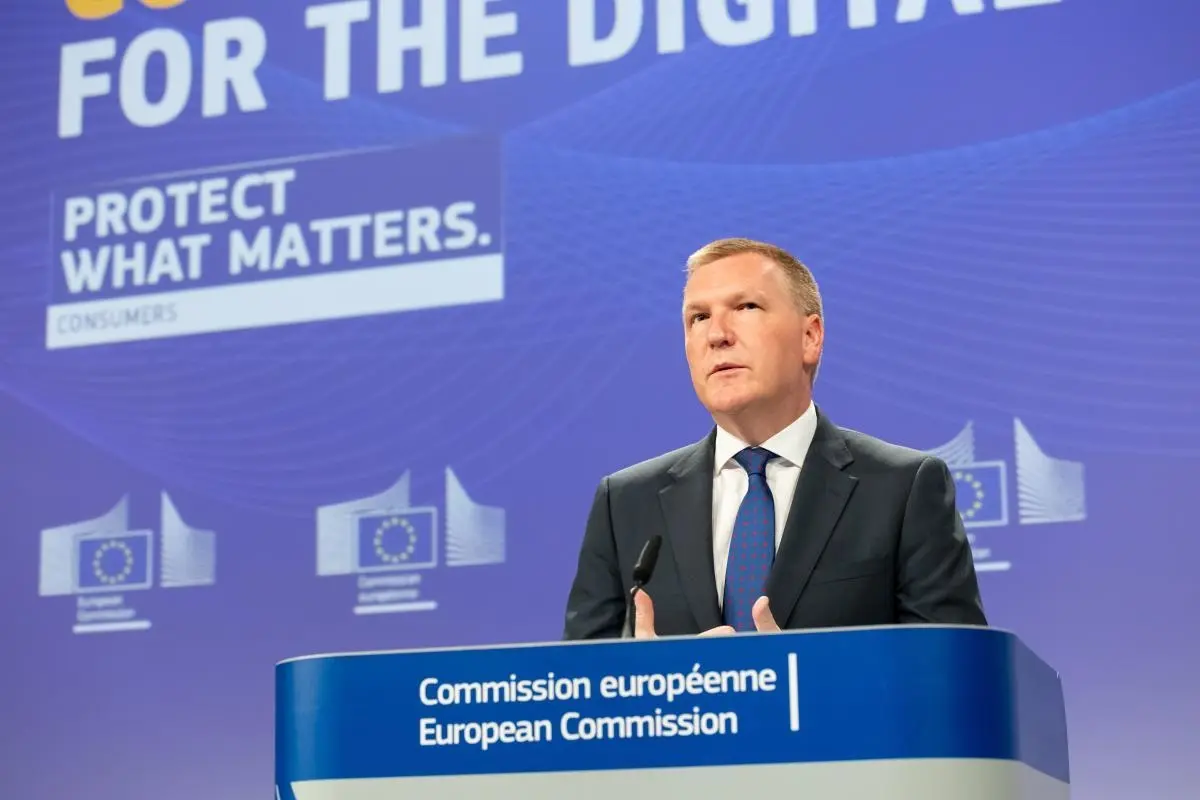
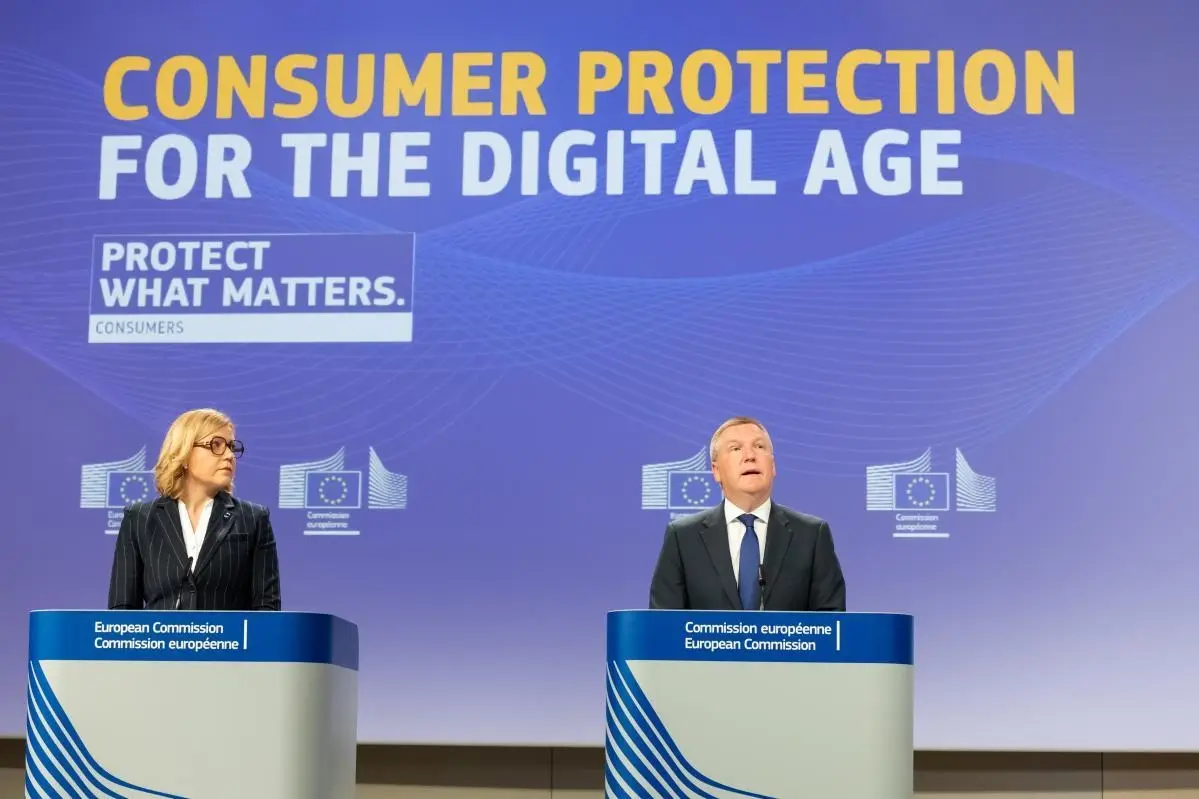
Henna Virkkunen, Executive Vice-President for Tech Sovereignty, Security and Democracy, said: "This reform will make everyday life simpler, fairer and safer for consumers, while giving businesses the clarity and confidence they need to thrive." Michael McGrath, Commissioner for Democracy, Justice, the Rule of Law and Consumer Protection, said the package was "the most ambitious reform of EU consumer protection rules in a generation". Both remarks come from the official Commission briefing of 11.11.2026.
What does the package mean in Luxembourg?
The proposals now go to the European Parliament and the Council. Until they are adopted and apply, existing directives and the current CPC Regulation remain the law. Once adopted, a regulation would apply directly in every Member State, including Luxembourg. That matters for shops, software firms and subscription services that sell to consumers here, and for non-EU traders that target Luxembourg or other EU customers. The text does not itself set a start date. Anyone who designs checkout flows, cancellation journeys or influencer campaigns for the Luxembourg market should follow the debate, but should not treat the proposal as already binding.
Questions and answers
Is the Digital Fairness Act already in force?
What fine can the Commission impose under the enforcement proposal?
Sources
- [1] Making your online experience fairer accessed 2026-11-12
- [2] Commission strengthens consumer protection laws, making them fit for the digital age accessed 2026-11-12
- [3] Proposal for a Digital Fairness Act, COM(2026) 1100 final accessed 2026-11-12
- [4] Proposal for a Simplification Directive, COM(2026) 1110 final accessed 2026-11-12
- [5] Proposal for the revision of the CPC Regulation, COM(2026) 1120 final accessed 2026-11-12
- [6] Consumer Protection for the digital age, factsheet accessed 2026-11-12
- [7] Digital Fairness Act website accessed 2026-11-12