News
EU cloud act: MEPs set timetable for sovereignty rules
The Parliament's co-rapporteurs presented their draft on the Cloud and AI Development Act on 11.11.2026, with a committee vote planned for mid-March 2027 and a plenary vote in April 2027.
Key takeaways
- Co-rapporteurs Diego Solier and Reinier van Lanschot presented their joint draft report on 11.11.2026.
- A first committee debate is planned for 01.12.2026, the committee vote for mid-March 2027 and the plenary vote for April 2027.
- The draft keeps the Commission's four sovereignty levels but wants common criteria and accredited auditors.
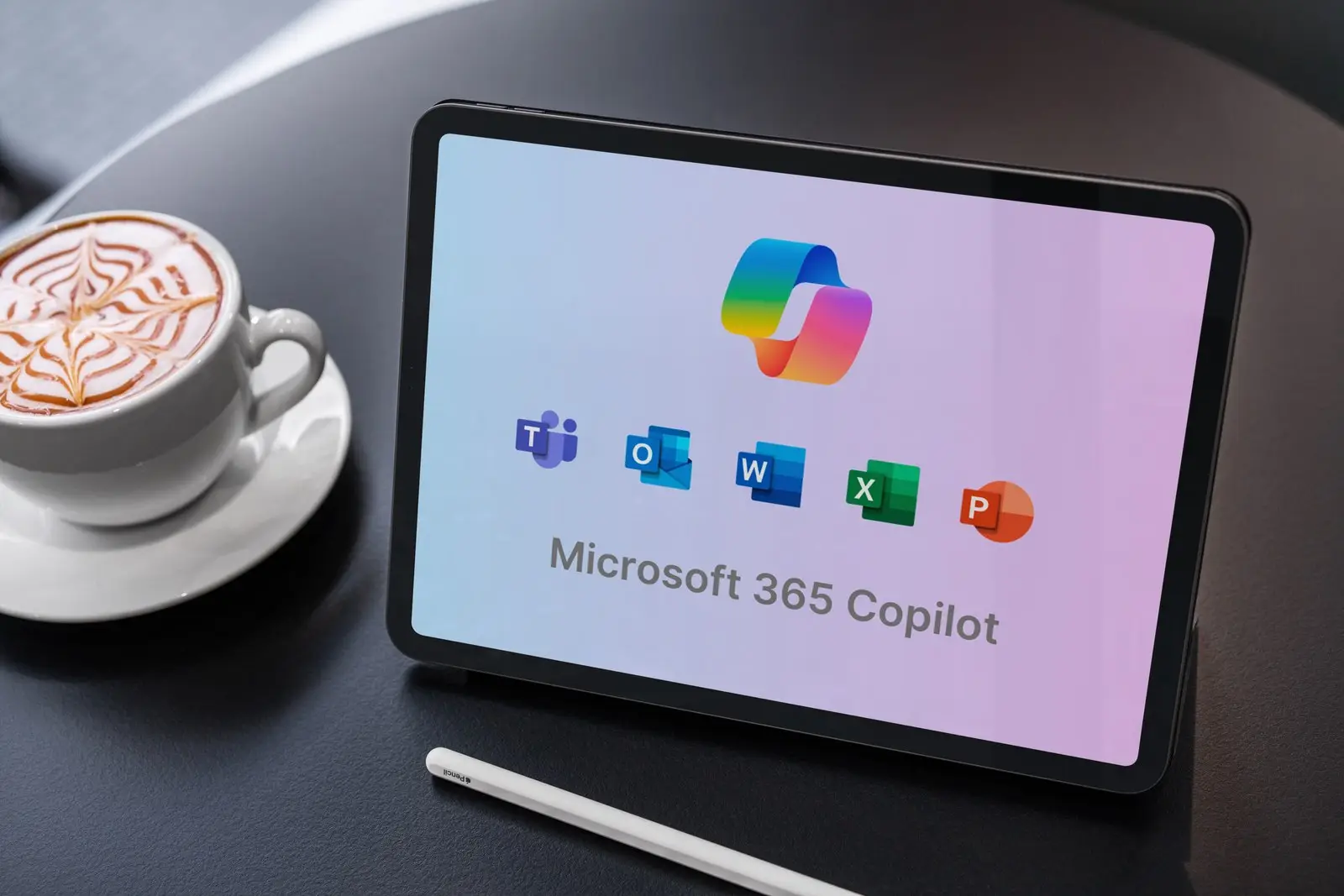
- After the Microsoft 365 outage, several MEPs on the file called for digital sovereignty on 13.11.2026.
On this page
The European Parliament's lead MEPs on the Cloud and AI Development Act presented their joint draft report on 11.11.2026 and set a provisional timetable: a first committee debate on 01.12.2026, a committee vote in mid-March 2027 and a plenary vote in April 2027.
Two days later, after the Microsoft 365 outage, co-rapporteur Reinier van Lanschot and several shadow rapporteurs used the incident to argue for European digital sovereignty. The political noise is new, but the substance lies in the draft report and in the Commission proposal it amends.
What is the Cloud and AI Development Act?
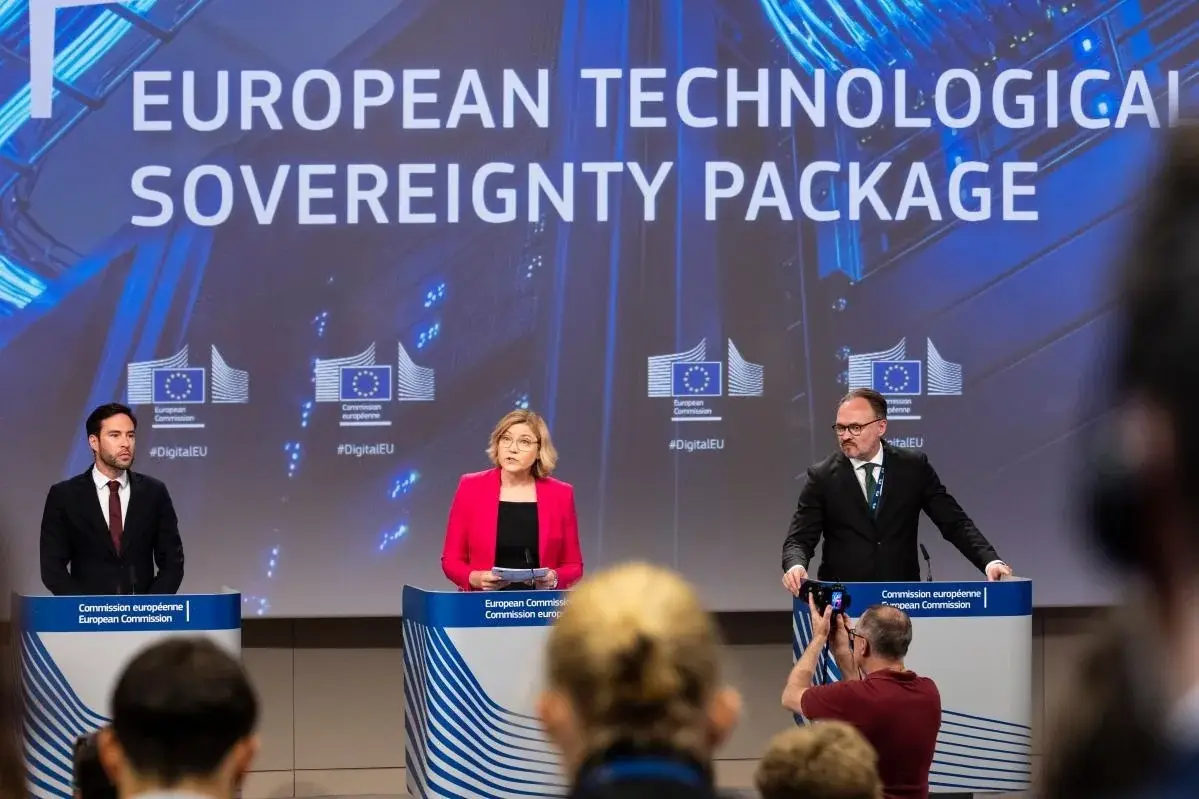
The European Commission proposed the regulation on 03.06.2026 as COM(2026) 502, under the responsibility of Executive Vice-President Henna Virkkunen. It is part of the Tech Sovereignty Package, together with the Chips Act 2.0, an EU open source strategy and a roadmap for digitalisation and AI in energy, according to the Commission's audiovisual service. The Commission and the Parliament abbreviate it as CADA; some media, and the brief behind this article, use CAIDA.
On its policy page the Commission names three goals. On capacity, it wants to at least triple EU data centre capacity within five to seven years and simplify permits, with better access to energy, land, water and financing. On autonomy, it wants a single EU sovereignty framework for cloud and AI, a common procurement framework for public administrations and more open source. On research, it wants support for frontier, industrial and physical AI.
What are the four sovereignty levels?
The core of the proposal is a scale of four assurance levels that public sector bodies would choose from on the basis of their own risk assessments. At level 1, data is processed and stored on infrastructure in the EU. Level 2 adds independence from third countries and transparency over the software supply chain. Level 3 requires ownership and control from within the EU plus further criteria such as personnel citizenship, with an option for the Commission to recognise third-country providers. Level 4 requires full transparency and control over the software supply chain and no third-country interference. Member States would recognise providers after an audit.

Weekly, Thursday morning, Central European Time.
The Thinking briefing
One email a week: what changed in European business software, which prices moved, and which comparison we published. No sales mail.
What does the Parliament's draft report change?
The file sits jointly with the Industry committee ITRE and the Internal Market committee IMCO. According to the Legislative Observatory, Diego Solier (ECR, Spain) leads for ITRE and Reinier van Lanschot (Greens/EFA, Netherlands) for IMCO, both appointed on 24.06.2026. Sergey Lagodinsky drafts an opinion for the Legal Affairs committee and Kristian Vigenin one for the Civil Liberties committee.
At their press conference of 11.11.2026 the two rapporteurs kept the four levels but called for clearer criteria and accredited auditors, so that a label means the same in every Member State. Solier wrote on his own blog that Europe must not end up with "27 different interpretations of what a sovereign cloud service means". The draft also wants faster permits for data centres in acceleration zones, but with residents consulted beforehand and benefits for host communities, such as reused heat. Risk assessments would extend to essential activities run by private operators, for example in hospitals, airports and energy. Public procurement should help European providers grow, while access for suppliers from partner countries would depend on meeting the required assurance level. Van Lanschot summed it up to Euronews: European businesses "are not asking for subsidies, they are asking for customers".
What did MEPs say after the outage?
On 13.11.2026 the EU policy outlet Rapporteur collected reactions. Van Lanschot said the outage showed "just how vulnerable we are" and asked what would happen if a company were ordered by the US government to cut Europe off. Lagodinsky spoke of the consequences of relying on one global infrastructure, and Alexandra Geese said it "shows acutely how dangerous a monopoly is". Shadow rapporteurs Andreas Schwab, Nicola Zingaretti, Adnan Dibrani and Leïla Chaibi also pointed to the need for sovereignty. Not everyone agreed: cloud law researcher David Michels of Queen Mary University of London told the outlet that technical failures can hit any service. POLITICO reported similar calls from the EU summit in Dublin.
When could the rules apply?
Not soon. The Parliament announced publication of the draft for 12.11.2026, but by 13.11.2026 at 19:00 CET the Legislative Observatory did not yet list it. After the committee and plenary votes the Parliament must still negotiate with the Council, where the file is under examination. The Italian Chamber of Deputies and the Bulgarian parliament have sent contributions, and the European Economic and Social Committee adopted its opinion on 23.09.2026. The observatory also lists recent meetings of rapporteurs with lobby groups and firms, among them CCIA, SAP, Accenture and Oracle.
What does it mean for companies in Luxembourg?
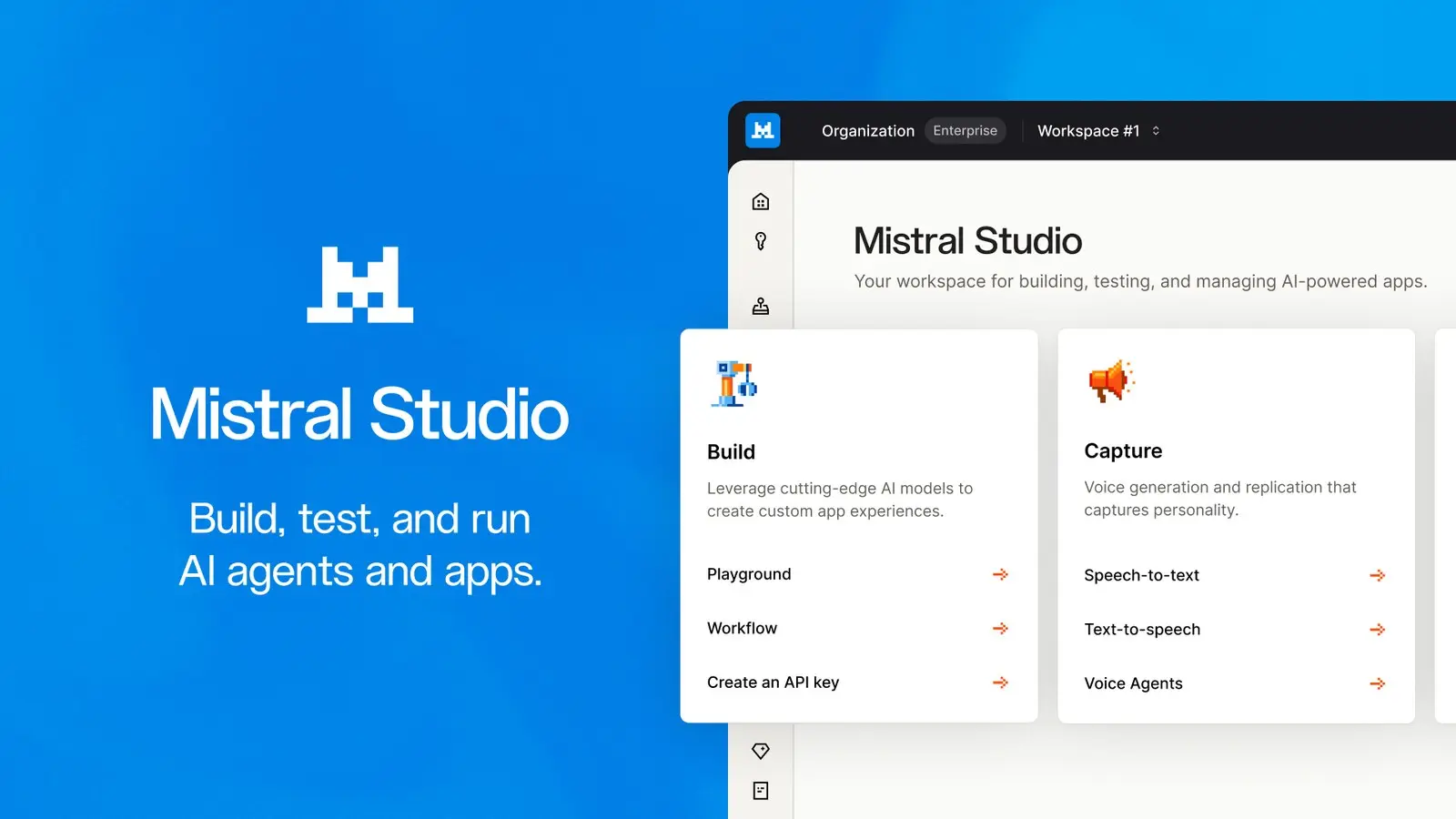
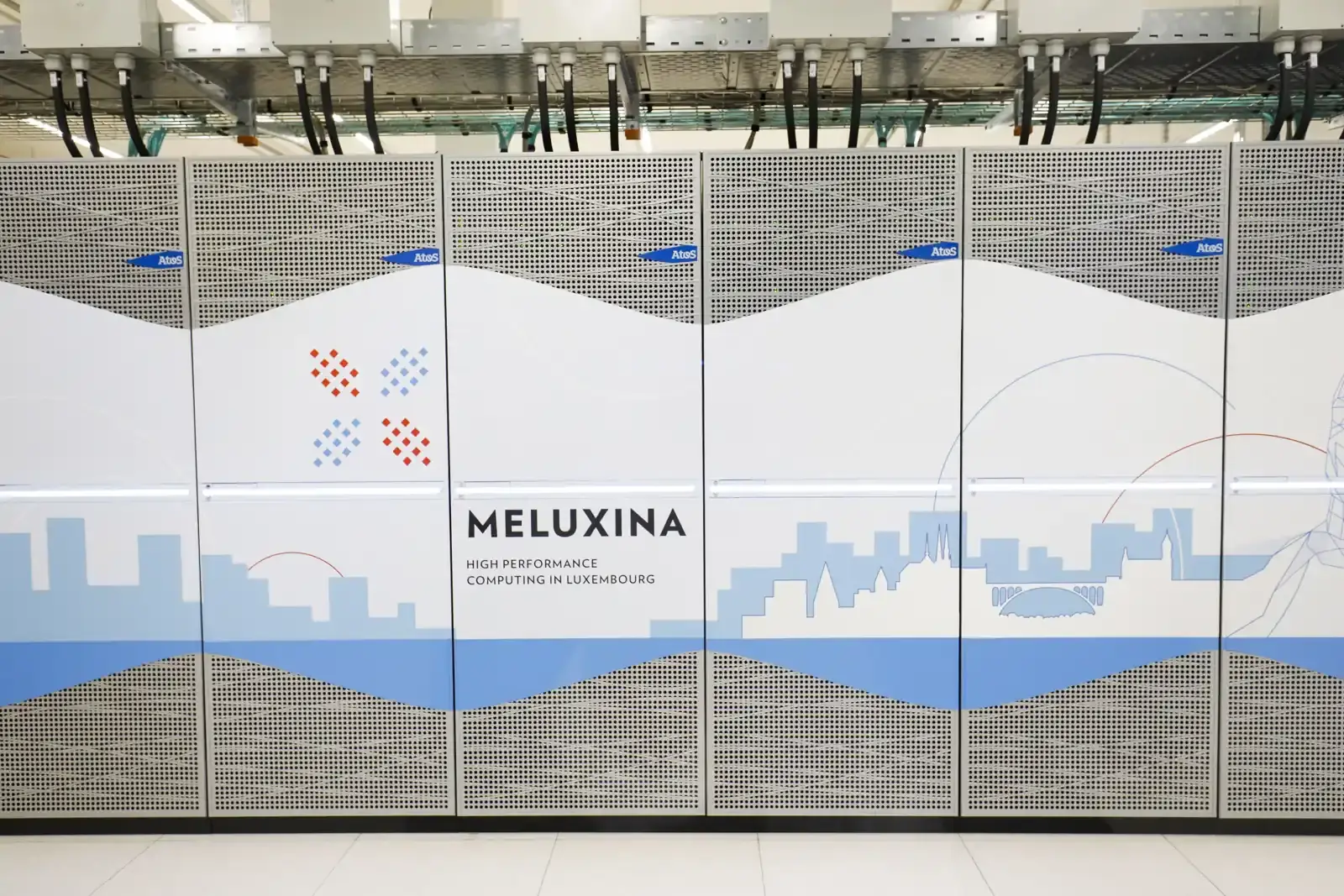
For now, nothing changes legally. The text is a proposal and may still shift. Firms that sell cloud or IT services to the public sector should watch which assurance level authorities will demand and how audits will work, because that decides who can bid. Operators of critical services should note the rapporteurs' plan to cover private providers too. For background on what European alternatives offer today, see our guide to Mistral AI and the European software stack and our report on EuroHPC AI Factories and MeluXina.
Sources
- [1] EUR-Lex, Procedure 2026/0138/COD, COM(2026) 502 Cloud and AI Development Act accessed 2026-11-13
- [2] Legislative Observatory, Procedure File 2026/0138(COD) accessed 2026-11-13
- [3] European Commission, Cloud and AI Development Act policy page accessed 2026-11-13
- [4] European Commission Audiovisual Service, Tech Sovereignty Package accessed 2026-11-13
- [5] European Parliament, Legislative Train Schedule, Cloud and AI Development Act accessed 2026-11-13
- [6] Diego Solier, CADA: presenting the draft to build a digital Europe accessed 2026-11-13
- [7] 2eu.brussels, Parliament's co-rapporteurs seek common sovereign cloud rules and faster data centre permits accessed 2026-11-13
- [8] Euronews, EU lawmakers push to reduce Europe's dependence on foreign cloud providers accessed 2026-11-13
- [9] Rapporteur, Microsoft outage renews calls for European tech sovereignty accessed 2026-11-13
- [10] POLITICO Europe, Microsoft outage renews European calls to detox from US tech accessed 2026-11-13