
AI in health
WHO AI health office in Luxembourg: what is known
WHO documents set at least 10 staff and USD 2,5 million a year from the host for 10 years. The minister speaks of 15 posts, but date, site and budget are still open.
Key takeaways
- Decision EUR/RC76(4) of 29.10.2026 selected Luxembourg over Poland and Portugal to host the WHO/Europe office on AI in health.
- The WHO business case requires at least 10 staff, a host contribution of at least USD 2,5 million a year and operation for at least 10 years.
- Health Minister Martine Deprez said on 05.11.2026 that 15 posts are planned. No start date is known yet.
- The office issues non-binding recommendations. It does not evaluate, test or certify AI and does not approve medical software.
- Start date, site, budget and Luxembourg's contribution depend on a host agreement still to be negotiated.
On this page
Luxembourg will host the WHO/Europe office for artificial intelligence in health. Two weeks after the vote in Copenhagen, WHO documents show the minimum the country has to deliver, and the health minister now speaks of 15 posts.
Opening date, address and budget are still unknown. They depend on a host agreement that WHO and Luxembourg have yet to negotiate.
What was decided in Copenhagen?
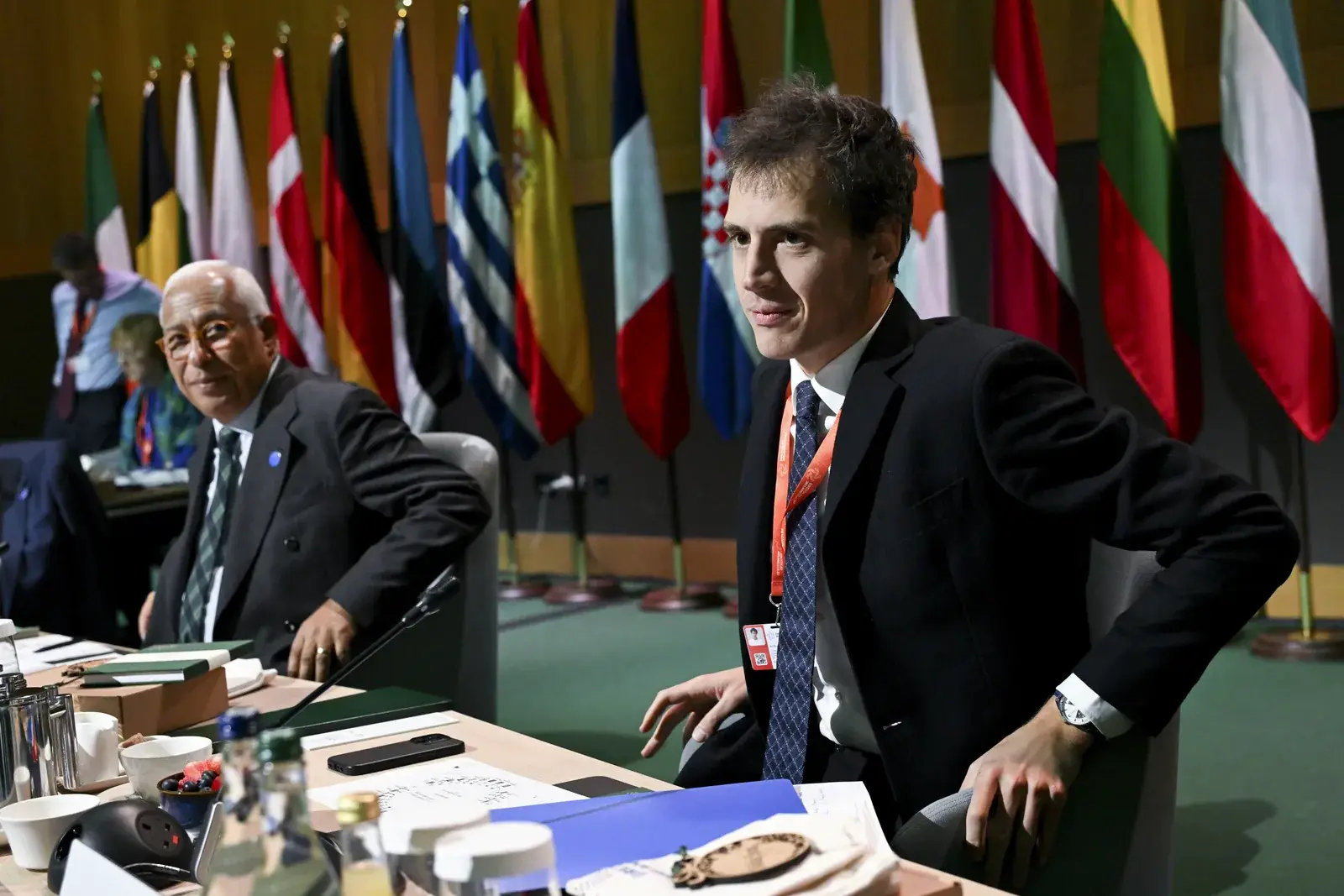
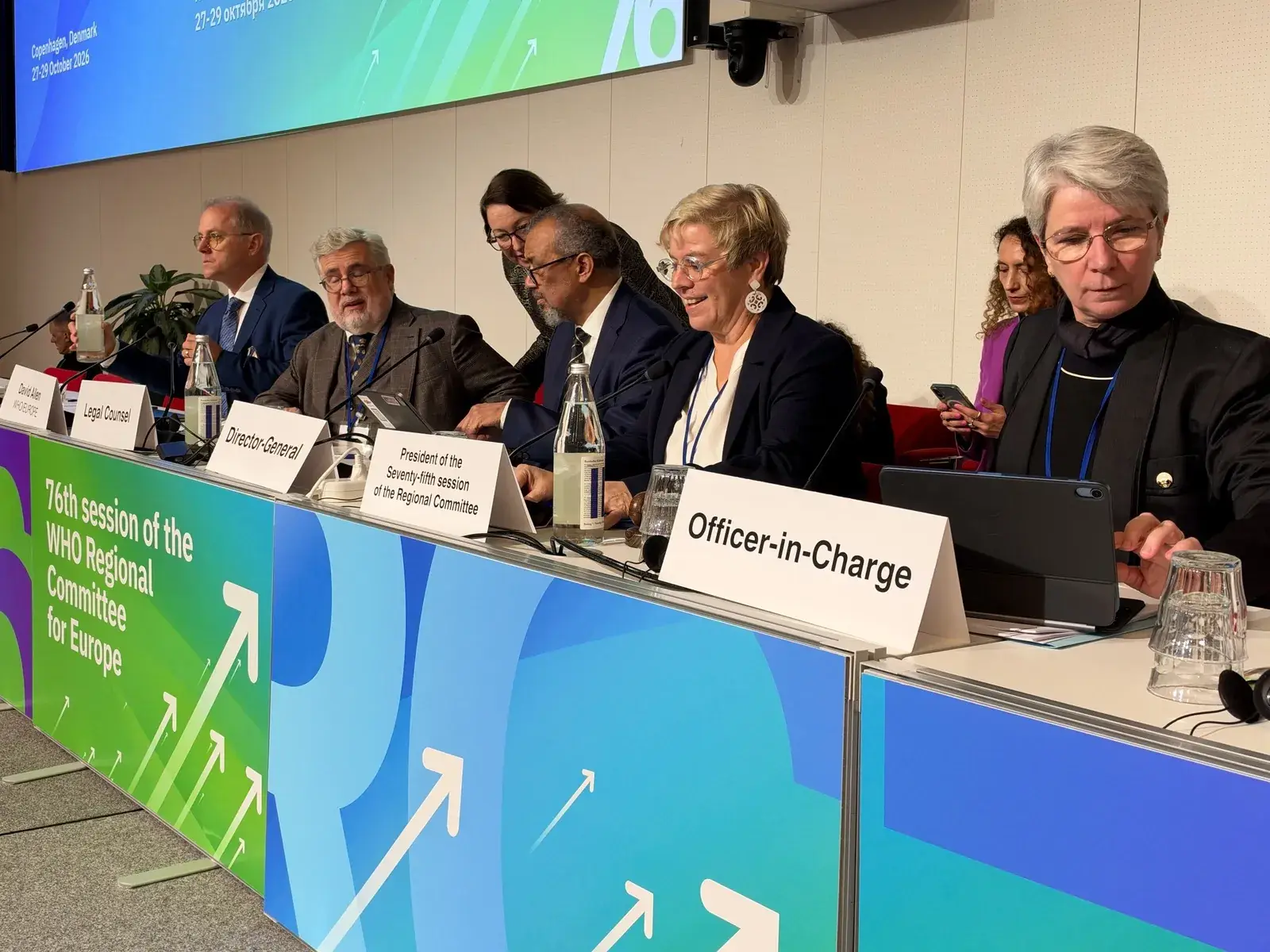
At the 76th session of the WHO Regional Committee for Europe, held in Copenhagen from 27.10 to 29.10.2026, the member states chose Luxembourg's bid over those of Poland and Portugal. Decision EUR/RC76(4) of 29.10.2026 selects "the proposal submitted by Luxembourg" for a geographically dispersed office on AI, a WHO unit located outside the regional headquarters.
The same session unanimously adopted the first "Roadmap for action on artificial intelligence in health" for the 53 member states of the region, covering 2026 to 2033. According to WHO/Europe, it rests on four priority areas: governance and leadership; ethical, regulatory and legal frameworks; data and digital infrastructure; and capacity building and implementation support. The new office is meant to help countries put this roadmap into practice through evidence, technical assistance, training and knowledge exchange.
What WHO requires from the host
The decision ties the future office to a business case that the Regional Committee discussed in 2025 (document EUR/RC75/16). It sets clear minimums:
- at least 10 staff in professional and administrative roles, with expertise in AI, digital health and data science;
- a person from the host country seconded to the Data, AI and Digital Health unit in Copenhagen;
- a host contribution of at least USD 2,5 million per year for running costs and activities, on top of the staff;
- operation for at least 10 years, guaranteed through the host agreement.
The office will report to the Division of Health Systems in Copenhagen. Policy, norms, standards and guidelines stay at headquarters. The suggested name is "WHO Regional Office for Europe Centre of Excellence on Artificial Intelligence".
Decision EUR/RC76(4) authorises the Regional Director to negotiate a host agreement "consistent with the business case" and with the commitments in Luxembourg's bid. The Standing Committee and all member states are to be kept informed. The bid itself has not been published.
Weekly, Thursday morning, Central European Time.
The Thinking briefing
One email a week: what changed in European business software, which prices moved, and which comparison we published. No sales mail.
What is new since the vote
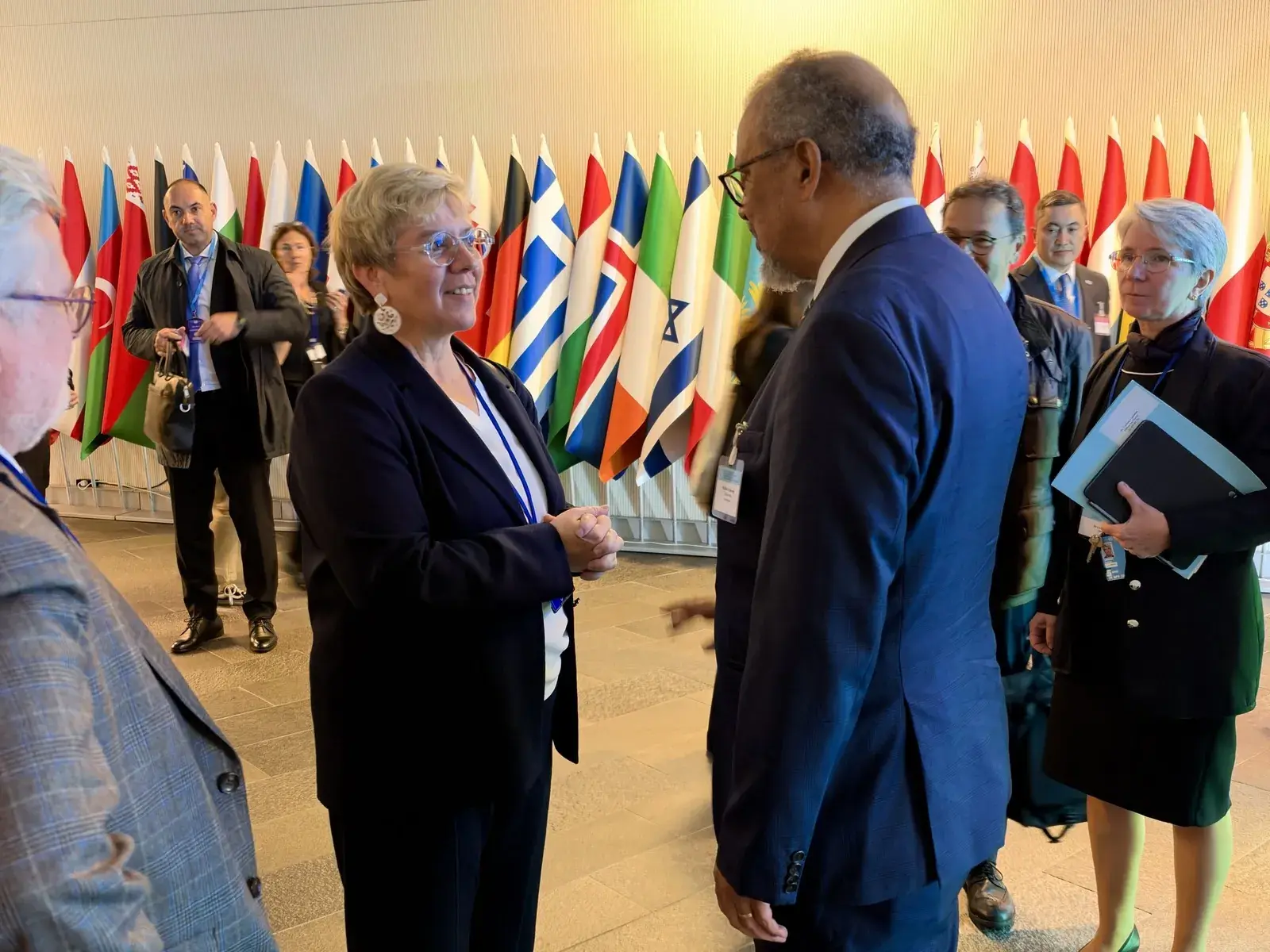
In an interview with radio 100,7 on 05.11.2026, Health Minister Martine Deprez said that 15 posts are currently planned. That is above the WHO minimum of 10. For comparison, Paperjam cites WHO data for 2024 showing between six and 23 staff in the five existing offices of this type in Barcelona, Venice, Almaty, Istanbul and Bonn.
Deprez also stressed that the office will be an integral part of WHO and will work independently of her ministry. When it will start operating is "not yet clear", according to 100,7.
On 13.11.2026, the Luxembourg AI Factory linked the office to its own offer. Health is one of its four priority sectors. The AI Factory points healthcare companies to two services: an Assessment Sandbox to check models against the EU AI Act, and a Secure Processing Environment for analysing health data.
What the office will not do
Expectations need some care. "They are not there to evaluate, test or certify AI," Deprez told 100,7 (translated from Luxembourgish). The office will observe trends and draft recommendations so that all 53 member states benefit equally. It will not approve medical software or supervise hospitals, and its recommendations are not binding.
Deprez still sees an advantage for the country. Because the recommendations are centralised in Luxembourg, she said, the country would be among the first to know "what works and what does not".
The ecosystem Luxembourg put forward
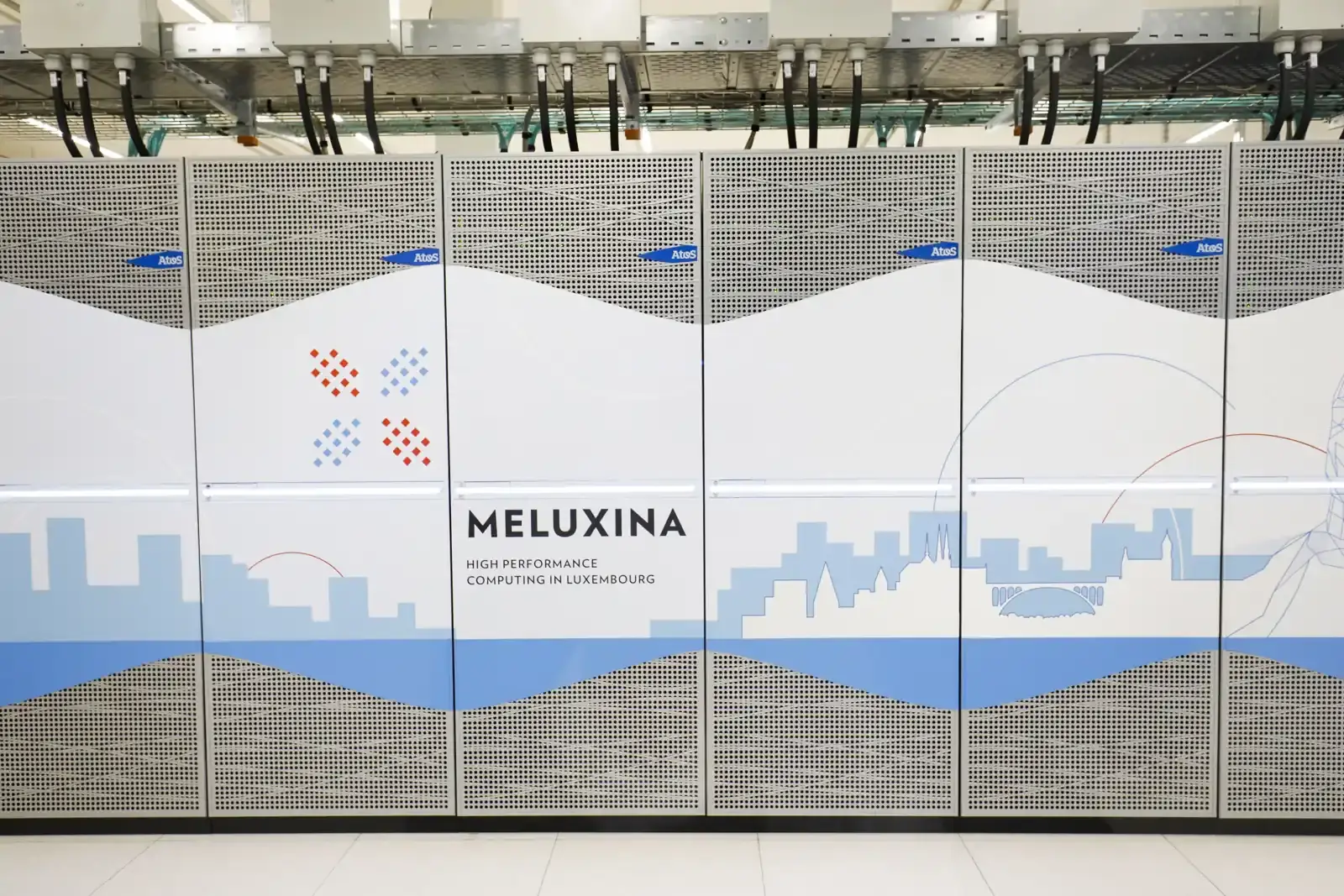
According to the government, the bid was led by the Ministry of Health and Social Security together with the ministries for digitalisation, research, foreign affairs and the economy. It names DigiSanté, which implements the European Health Data Space in Luxembourg, the AI Factory with the supercomputers MeluXina and MeluXina-AI, the Luxembourg National Data Service (LNDS), the University of Luxembourg and the public research centres. The government adds that cooperation will respect "the scientific and institutional independence of WHO".
"This is a great recognition for Luxembourg," Deprez said on 29.10.2026. AI must "help improve the quality and safety of care, support health professionals and genuinely benefit patients, while respecting their rights and their data".
What it means for companies
Nothing changes legally for now. The office makes no rules, and the AI Act applies as before. For health tech firms and hospitals, the office mainly means proximity: WHO recommendations, country profiles and evaluation frameworks will be drafted in Luxembourg. Firms that want to use AI in care should check their obligations already now, for example with our AI Act deployer checklist.
The office also fits a wider political push. At the EU summit in Dublin, Prime Minister Luc Frieden called for a European framework for AI, as we reported from the first AI debate of the EU leaders.
What remains open
The key figures will only be known once the host agreement is signed: start date, location, budget, Luxembourg's financial contribution and the number of jobs created in the country. WHO must report on the negotiations to the 34th Standing Committee. Thinking.lu will follow up as soon as the agreement is published.
Sources
- [1] WHO Regional Committee for Europe, decision EUR/RC76(4): Submission and assessment of expressions of interest for a proposed geographically dispersed office on artificial intelligence (29.10.2026) accessed 2026-11-14
- [2] WHO/Europe, EUR/RC76/13: Submission and assessment of expressions of interest for proposed geographically dispersed offices (29.09.2026) accessed 2026-11-14
- [3] WHO/Europe, EUR/RC75/16: Artificial intelligence, business case for a proposed new geographically dispersed office (18.08.2025) accessed 2026-11-14
- [4] Governments across Europe and Central Asia unanimously adopt new vision for AI in health care (WHO/Europe, 29.10.2026) accessed 2026-11-14
- [5] Le Luxembourg accueillera le bureau de l'OMS/Europe consacré à l'intelligence artificielle en santé (gouvernement.lu, 29.10.2026) accessed 2026-11-14
- [6] Le Luxembourg plaide à Copenhague pour une OMS fondée sur la science et proche des États membres (gouvernement.lu, 28.10.2026) accessed 2026-11-14
- [7] Lëtzebuerg kritt WHO-Büro fir Entwécklung vu KI am Gesondheetssecteur ze suivéieren (100,7, 05.11.2026) accessed 2026-11-14
- [8] Le futur bureau de l'OMS au Luxembourg en cinq questions (Paperjam, 29.10.2026) accessed 2026-11-14
- [9] AI in health: WHO chooses Luxembourg for its European office (Luxembourg AI Factory, 13.11.2026) accessed 2026-11-14